18,Dec 2025



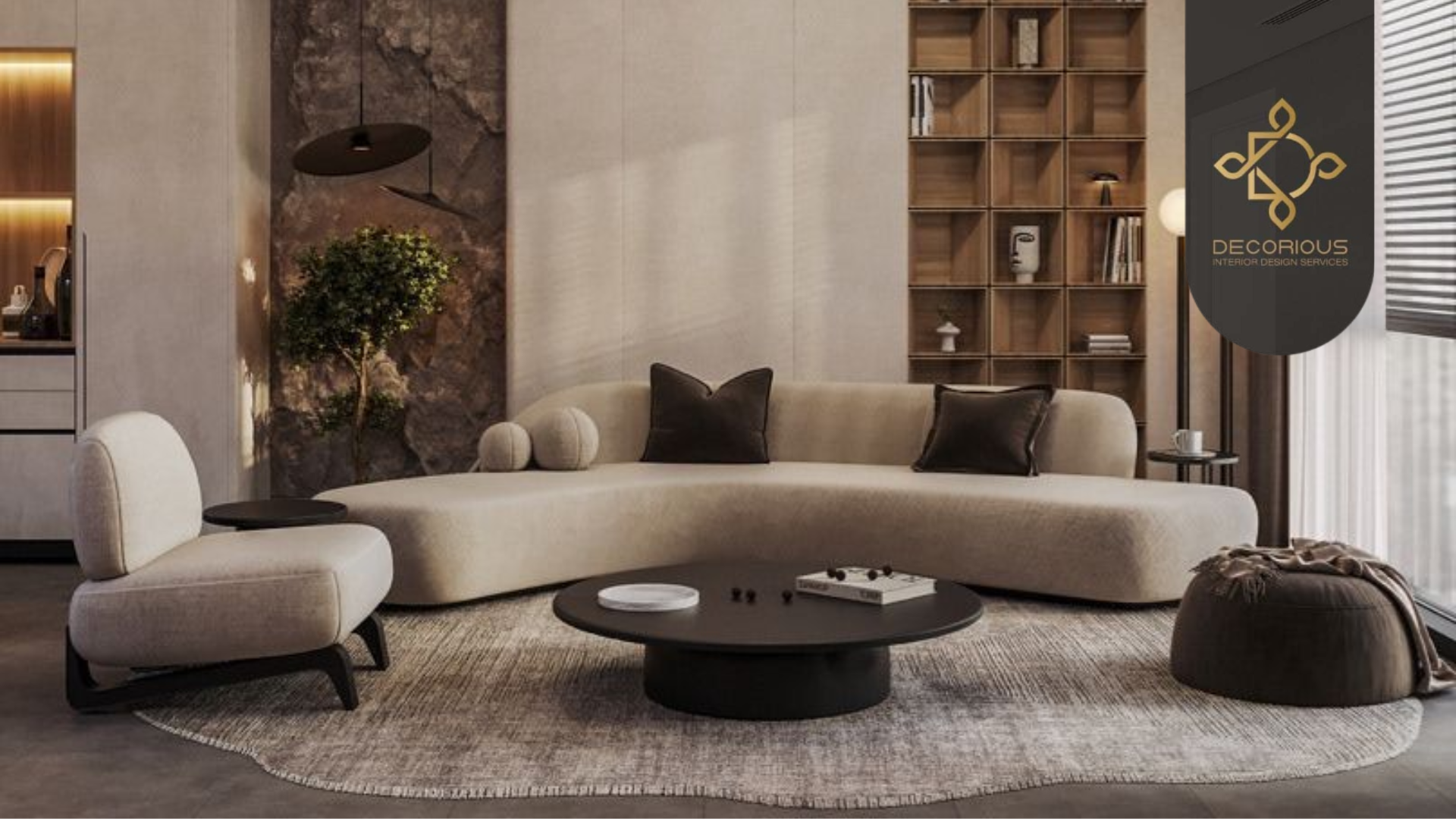
Studio room interior design has become one of the most in-demand design disciplines in modern urban living. As cities grow denser and living spaces become more compact, people are searching for creative ways to transform limited square footage into functional, stylish, and comfortable homes. A well-planned studio is no longer a compromise—it is a lifestyle choice that blends efficiency with elegance.
This guide explores how studio room interior design works, the challenges it solves, and the strategies that turn a small space into a high-performance living environment.
Why are Gaming Rooms a Must-Have in Our Homes?
Studio room interior design focuses on creating a cohesive living experience within a single open space that typically combines sleeping, living, dining, and working areas. Unlike traditional layouts, studios rely on smart zoning, multifunctional furniture, and visual balance.
The rise of remote work, minimal living, and flexible lifestyles has made studio room interior design essential for anyone who values comfort without excess. When done right, it enhances daily life, improves movement flow, and maximizes every square meter.
Designing a studio room comes with unique obstacles that require professional planning:
Limited space for storage and movement
Difficulty separating functional zones
Risk of visual clutter
Poor lighting distribution
Without strategic studio room interior design, a studio can feel cramped and disorganized. Addressing these challenges early is the foundation of a successful design outcome.
Effective studio room interior design is built on several key principles:
Intentional zoning using furniture placement and lighting
Vertical utilization to free floor space
Multi-functional elements that serve more than one purpose
Visual continuity through color and materials
These principles help transform compact homes using proven studio apartment ideas that balance beauty with practicality.
A smart layout is the backbone of studio room interior design. Open plans work best when movement paths are clear and furniture placement supports daily routines.
Designers often take inspiration from studio flat interior design concepts that rely on symmetry, clean lines, and modular solutions. This approach ensures the space feels intentional rather than improvised.
Furniture plays a defining role in studio room interior design. Choosing the wrong pieces can overwhelm the space, while the right selections elevate it.
Key strategies include:
Sofa beds and fold-away dining tables
Built-in wardrobes
Floating shelves instead of bulky cabinets
These techniques are widely used in modern apartment design projects where efficiency and comfort must coexist.
Lighting is one of the most powerful tools in studio room interior design. Natural light should always be maximized, while artificial lighting must be layered.
A combination of ambient, task, and accent lighting helps visually divide zones without walls—an approach frequently seen in professional flat interior design solutions.
Color palettes dramatically affect how large a studio feels. Neutral tones, soft textures, and reflective surfaces enhance spatial perception.
Materials such as glass, light wood, and matte finishes are commonly used in apartment interior decor to maintain visual openness while adding warmth and character.
As remote work becomes common, studio room interior design must support productivity. Creating a dedicated work corner—even in a small studio—improves focus and comfort.
Many layouts borrow techniques from office interior design, including ergonomic furniture, focused lighting, and noise control solutions.
Professional studio room interior design offers long-term value that DIY solutions often miss. Designers understand circulation, lighting psychology, and spatial hierarchy.
Collaborating with trusted interior design companies in sharjah can ensure that your studio meets both functional and aesthetic goals while avoiding costly mistakes.
Luxury is not about size—it’s about detail. High-end studio room interior design incorporates refined finishes, custom storage, and cohesive styling.
This approach reflects principles found in grand interior design, adapted to smaller spaces without sacrificing elegance.
Studio room interior design is not limited to residential spaces. Its principles are increasingly applied across hospitality and mixed-use environments.
You’ll often see similar zoning strategies in restaurant interior design, where space efficiency directly impacts user experience.
A studio must function as a complete home. Thoughtful studio room interior design ensures daily comfort, storage efficiency, and emotional well-being.
Designers often integrate elements from studio apartment interior design and residence interior design to create a space that feels permanent, not temporary.
Studios inside residential complexes benefit from cohesive planning. Unified design standards improve property value and user satisfaction.
This philosophy aligns with modern apartment interior design, where consistency and flexibility are essential.
Modern studios increasingly borrow from commercial spaces to enhance functionality and durability.
Concepts inspired by commercial interior design improve flow, lighting efficiency, and furniture durability.
Integrating a workspace into a studio requires careful planning. Borrowing strategies from small office interior design allows residents to work comfortably without disrupting the living environment.
Creative studio room interior design often draws inspiration from hospitality and retail environments.
Design trends from cafe interior design and shop interior design influence lighting choices, seating layouts, and visual branding inside modern studios.
DIY projects may seem cost-effective, but professional studio room interior design delivers better long-term value. Experts optimize layouts, prevent overcrowding, and ensure visual harmony.
Investing in professional guidance results in a space that adapts to lifestyle changes and retains its appeal over time.
Use light colors, mirrors, and multi-functional furniture.
Costs vary, but smart planning often reduces unnecessary spending.
Yes—when zones are clearly defined through layout and lighting.
Studio room interior design is more than decorating a small space—it’s about creating a lifestyle that balances comfort, efficiency, and style. With the right strategies, a studio can feel open, organized, and luxurious.
Whether you’re upgrading an existing space or designing from scratch, professional studio room interior design ensures every detail works together to support modern living.