16,Dec 2025



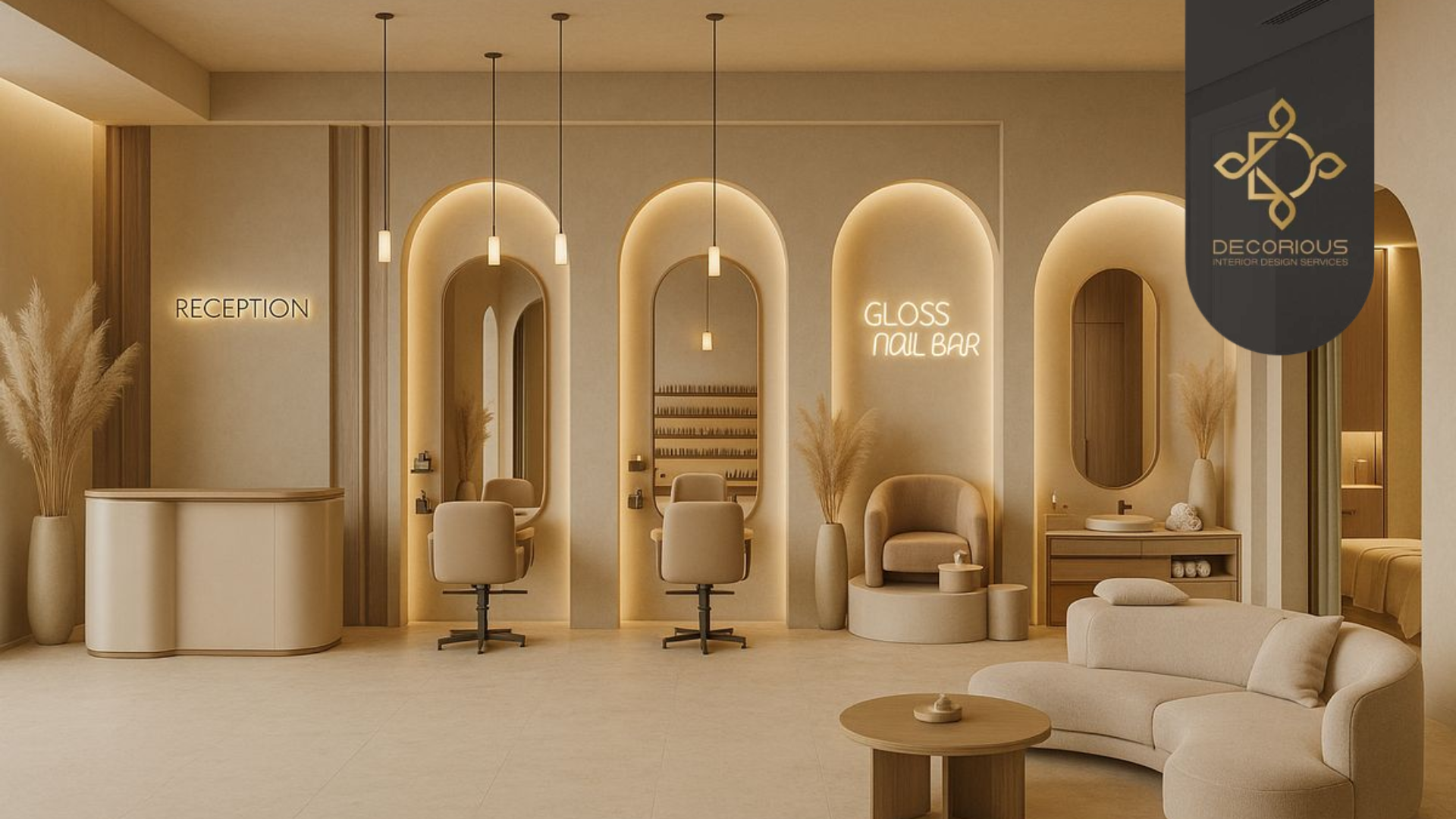
In today’s competitive retail world, shop interior design is no longer just about aesthetics. It is a powerful business tool that shapes customer perception, influences buying behavior, and directly impacts revenue. Whether you are launching a new retail concept or upgrading an existing store, the right interior strategy can transform casual visitors into loyal customers.
This guide explores how professional shop interior design works across awareness, consideration, and conversion stages—while aligning with modern SEO standards and AI-powered search intent.
Shop interior design refers to the strategic planning, styling, and execution of retail spaces to enhance customer experience and maximize sales performance. It blends psychology, architecture, branding, and functionality into one cohesive environment.
A well-executed shop interior design ensures customers feel comfortable, guided, and inspired—encouraging longer visits and higher conversion rates.
Retail studies show that layout, lighting, and spatial flow directly influence purchasing decisions. Thoughtful shop interior design subtly directs customers through product zones while reducing friction and confusion.
Your interior is a silent brand ambassador. From materials to finishes, every design choice communicates quality, positioning, and trust—especially in a new shop design where first impressions are critical.
While commercial interior design covers offices, restaurants, and mixed-use spaces, shop interior design focuses specifically on consumer psychology, merchandising, and sales-driven layouts.
Strong shop interior design is rooted in clarity, consistency, and customer-centric planning.
An intuitive layout reduces cognitive overload. Strategic zoning ensures customers naturally move from high-impact displays to decision-making areas—without feeling rushed.
Effective shop design highlights hero products using focal walls, display islands, and lighting contrasts—boosting impulse purchases.
Lighting influences mood, while colors affect perception of space and value. Luxury brands often adopt muted palettes inspired by luxury retail design, while vibrant concepts rely on bold contrasts.
Different retail sectors require tailored design solutions. One-size-fits-all never works in professional shop interior design.
These environments focus on storytelling, material quality, and curated layouts that reflect exclusivity—often influenced by shopping mall interior design standards.
Here, speed and clarity are essential. Efficient layouts mirror principles used in shopping center interior design, ensuring accessibility and flow.
A mobile shop interior design prioritizes interactive displays, demo zones, and security without compromising openness.
Blending retail with hospitality is common in coffee shop interior design, where comfort directly impacts dwell time and sales.
Retail trends are evolving rapidly, driven by technology and experience-based shopping.
Modern consumers value clarity. Clean layouts and flexible displays help stores adapt quickly—especially in competitive urban markets.
Eco-friendly materials and modular systems reduce costs while reinforcing brand responsibility.
From digital signage to smart lighting systems, tech-enabled shop interior design enhances engagement and operational efficiency—similar to approaches used in small office interior design.
Strategic shop interior design is an investment—not an expense.
Comfortable layouts encourage customers to stay longer, increasing purchase probability.
Well-defined zones highlight promotions and high-margin products without overwhelming shoppers.
Instagrammable interiors amplify brand visibility organically—especially when inspired by grand interior design concepts.
Selecting the right partner defines your project’s success.
Experience across multiple sectors—including restaurant interior design and mixed-use spaces—ensures adaptability.
Understanding regional trends is essential, especially when working with interior design companies in Abu Dhabi or the wider UAE.
Professional firms align design decisions with measurable business outcomes, not just visuals.
At Decorious, we approach shop interior design as a full-cycle solution—combining creativity, strategy, and execution.
Every project starts with brand analysis and customer journey mapping.
Clients preview their retail space before execution, ensuring alignment and clarity.
Our team manages the full process, applying standards used in office interior design and hospitality projects.
Decorious is trusted for delivering retail environments that perform.
Custom solutions inspired by residence interior design principles for comfort and flow
Proven expertise across retail, hospitality, and cafe interior design projects
Scalable designs adaptable to standalone stores and multi-location rollouts
Our cross-sector experience—including studio apartment interior design—allows us to maximize even compact retail spaces.
Costs vary based on size, materials, and customization. Smart planning ensures strong ROI.
Timelines depend on complexity, approvals, and fit-out scope.
Yes. Data-driven shop interior design consistently improves footfall, engagement, and conversion rates.
A successful retail space is built on strategy—not guesswork. With professional shop interior design, your store becomes more than a place to sell—it becomes a brand experience.
Decorious delivers retail interiors that attract, engage, and convert—combining creativity, functionality, and commercial insight to help your business grow.