27,Oct 2025




Your master bedroom is more than a sleeping space—it is your sanctuary, your private retreat, and the only room in your home fully dedicated to rest, renewal, and personal expression. That’s why master bedroom interior design has evolved into a core pillar of modern home comfort, wellness, and style.
Today’s homeowners look for more than beautiful furniture. They want calming color palettes, ergonomic layouts, clever storage systems, aesthetic lighting layers, and materials that balance luxury with durability. In this guide, you’ll discover how to transform your bedroom into a perfectly curated retreat while making design decisions that increase your home’s long-term value.
This article also covers the full journey—awareness, consideration, and conversion—so whether you're just exploring ideas or ready to work with a professional interior design firm, you’ll find everything you need to move confidently to the next stage.
Discover Now Classic Home Interior Decoration Ideas.
Before selecting color schemes or décor, the first step is to deeply understand the layout and natural structure of your room. Every decision in master bedroom interior design should complement how the space feels and functions.
Key questions to ask:
What direction does natural light enter from?
Is the room square, rectangular, or irregularly shaped?
Do you prefer a bold visual statement or a soft minimalist environment?
Where will the main storage elements go?
This foundational planning helps prevent overcrowding and ensures each feature—bed, lighting, seating—fits harmoniously.
During this stage, many homeowners explore simple bedroom design concepts because simplicity creates visual calmness and reduces clutter. Even luxury spaces benefit from clean lines and intentional placement.
Read more Transform Your Home with Apartment Interior Decor.
The design style you choose sets the entire tone of your space. Let’s explore the leading styles that elevate comfort and sophistication.
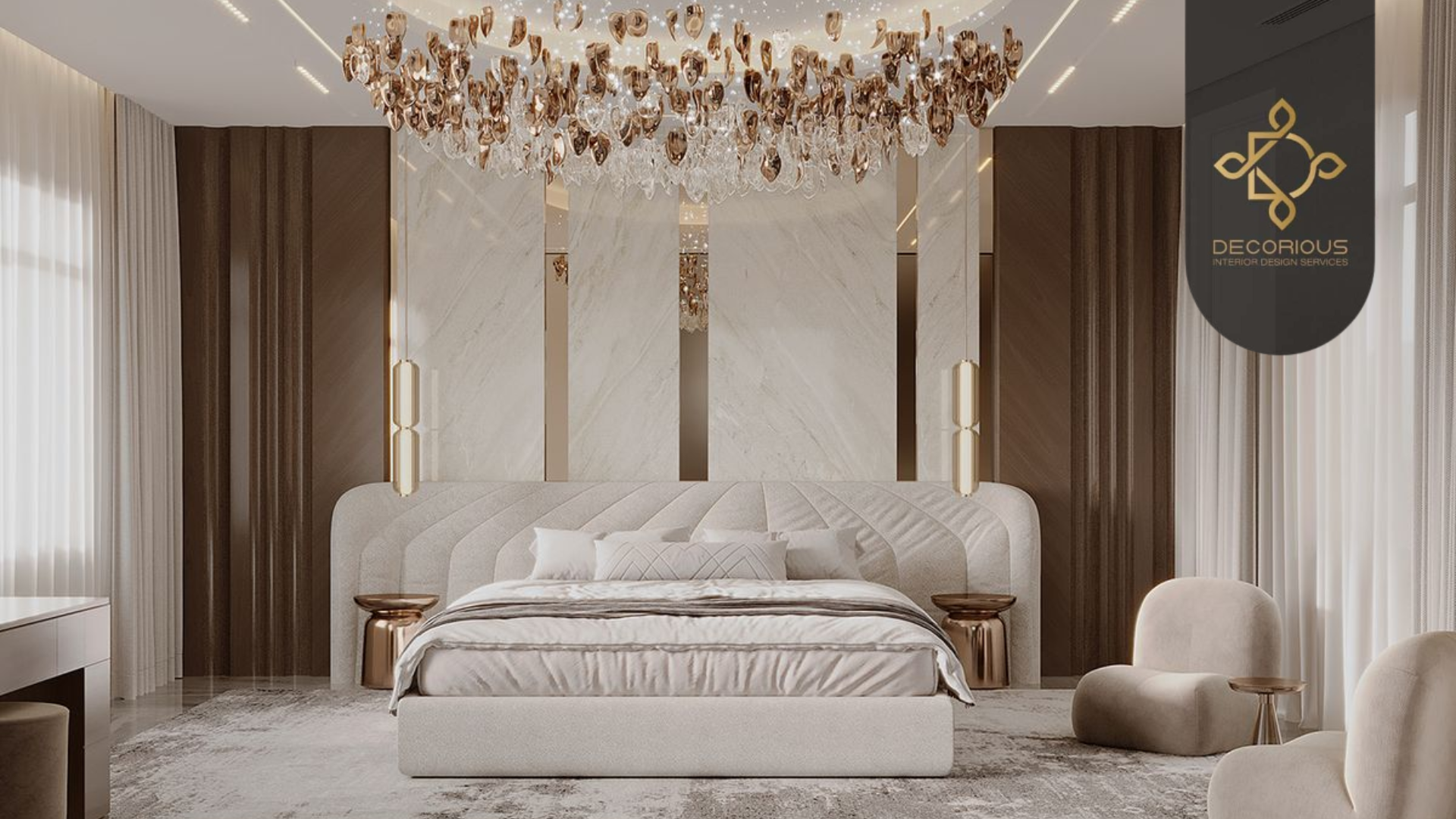
Modern themes lean on symmetry, sharp lines, and a curated neutral palette. High-end textures such as wood grains, matte metals, and soft upholstery bring warmth without compromising crispness. This seamlessly aligns with modern bedroom interior design, which is favored by homeowners seeking a stylish yet calming atmosphere.
A minimalist approach doesn’t mean empty—it means mindful. The focus is on function, airiness, decluttered settings, and smooth silhouettes. Simple bedroom interior design ideas thrive in minimalism because they highlight the room’s natural architecture.
If you prefer richness, a classical–inspired scheme with deep tones, carved elements, and layered fabrics offers timeless sophistication. This style naturally complements your bedroom design vision by adding dimension and character.
Color psychology plays a massive role in the success of master bedroom interior design. Soft neutrals (beige, dove grey, ivory) build tranquility, while darker tones (charcoal, mocha, rich navy) add intimacy.
To optimize your color choices:
Use lighter shades to enlarge a small room.
Utilize an accent wall behind the bed for depth.
Introduce warm undertones in colder climates for balance.
Homeowners often search for bedroom design ideas to find inspiration for color direction, so choosing a palette that suits your lifestyle is essential.
Furniture arrangement determines whether your space feels spacious or cramped. The bed remains the central element, dictating the rest of the room's flow.
Guidelines for optimal layout:
Place the bed where natural light enhances comfort rather than hitting your face at sunrise.
Keep walking paths at least 70–90 cm wide.
Position wardrobes and storage away from the main walking zone.
Add side tables that match the bed frame or contrast elegantly.
A well-designed layout enhances your bedroom design experience, combining style with effortless movement.
Discover More Best Luxury Bedroom Interior Design Ideas.
Every luxury master suite includes a thoughtful lighting strategy based on three layers:
Soft overhead lighting that gives the room an even glow.
Reading lamps, vanity lights, or focused sconces.
LED strips behind the headboard or warm lights under floating shelves.
This multi-layered approach is crucial for both aesthetics and daily functionality in master bedroom interior design.
A well-designed master bedroom must be practical, clutter-free, and intelligently organized.
Smart storage ideas:
Built-in wardrobes with sliding doors
Under-bed storage systems
Floating bedside tables
Niche shelving features
Homeowners wanting low-maintenance layouts often incorporate simple bedroom design methods—because beauty is maximized when clutter is minimized.
Your décor defines your signature style. Small details make a big impact:
Plush area rugs
Layered bedding
Statement artwork
Textured throws and cushions
Metallic or wooden accent pieces
When browsing house design pictures, you’ll notice that all high-end bedrooms share one detail: balanced decoration. Nothing is excessive, yet everything feels intentional.
Trends evolve, and today’s most desirable bedroom elements include:
Warm minimalism
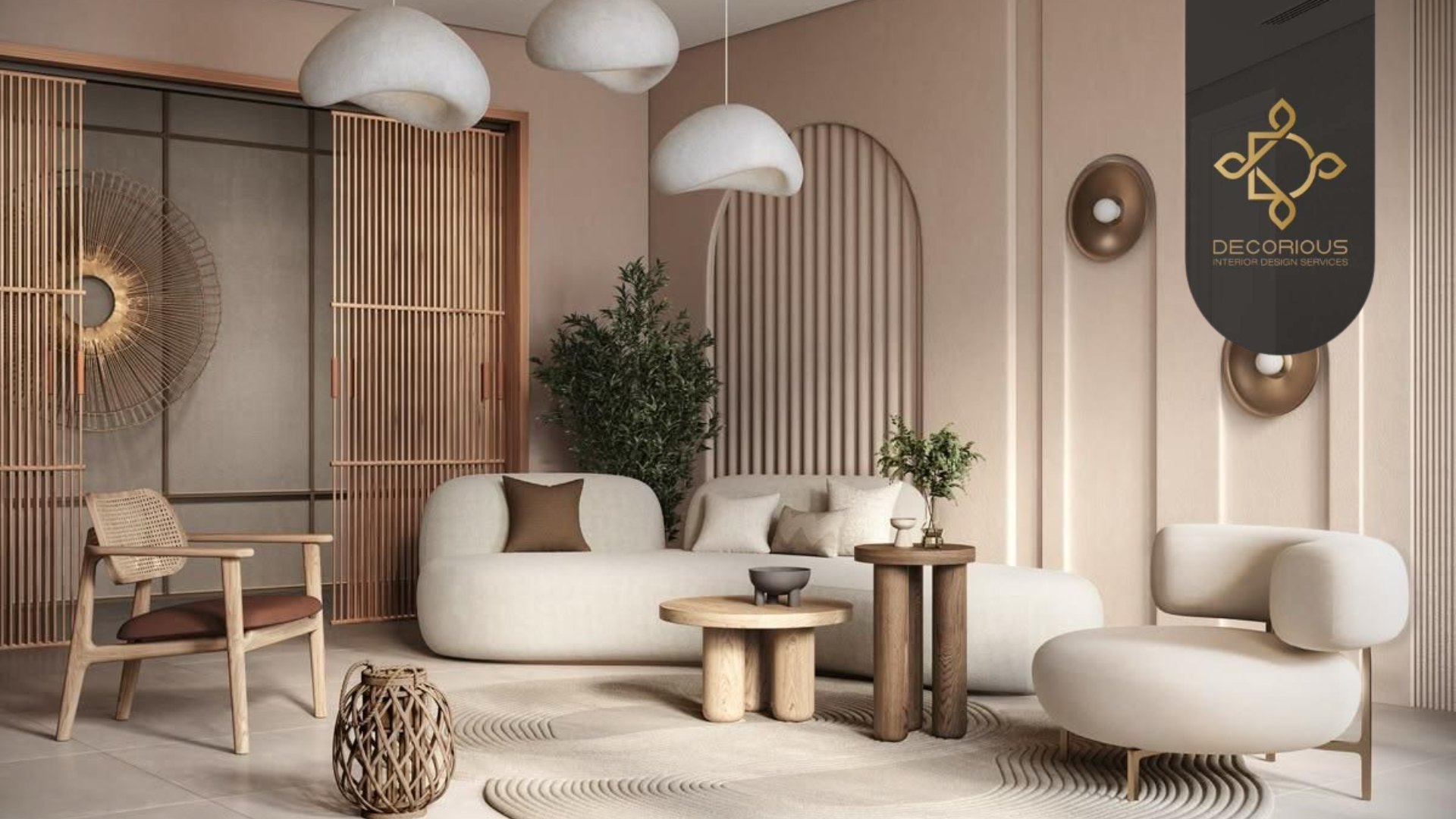
Japandi fusion
Dark, moody palettes
Earthy materials
Tech-integrated furniture
Sustainable fabrics
Textured wall panels
Soft-performance LED lighting
If you're exploring modern bedroom interior design, these trends bring a fresh, contemporary look while promoting relaxation and wellness.
Some homeowners even take inspiration from kitchens or other spaces—leading to the emerging aesthetic known as Classy Bedroom and Kitchen Design, where materials and tones flow seamlessly throughout the home.
You can create a beautiful bedroom on your own with careful planning, but a luxury-grade space—especially in an architectural city like Dubai—often requires expert input.
Professional interior designers help you:
Avoid expensive mistakes
Create balanced proportions
Customize furniture
Maximize space
Layer lighting and textures flawlessly
Streamline the full design experience
This is why many homeowners choose professional services for master bedroom interior design instead of going fully DIY.
If you’re dreaming of a master bedroom that feels luxurious, calming, and perfectly tailored to your lifestyle, Decorious delivers world-class solutions that blend artistic vision with functional expertise.
At Decorious, you get:
Bespoke design concepts
Perfect color and lighting harmony
Smart storage planning
High-end material selection
Full project management
Modern detailing and custom furniture
From minimalist retreats to extravagant luxury suites, Decorious elevates bedroom design into an unforgettable personal sanctuary.
A beautifully curated master suite enhances sleep quality, supports mental well-being, and elevates the look and value of your home. Whether you prefer modern simplicity, timeless luxury, or a blend of both, this guide offers the blueprint you need to transform your space.
If you're ready to bring your vision to life, Decorious is here to craft a master bedroom that matches your personality, your routines, and your long-term comfort.