18,Jan 2026



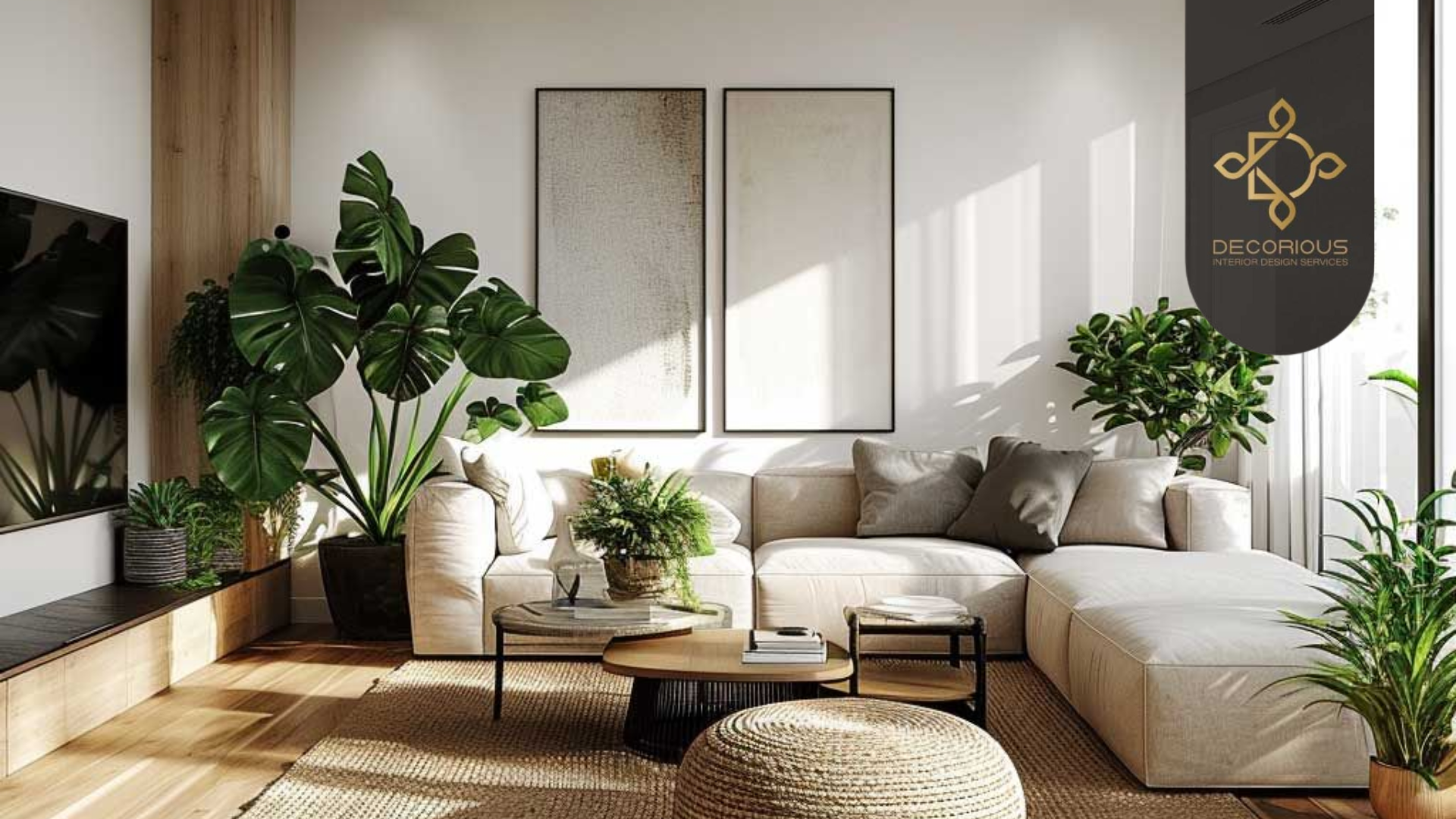
Successful flat interior design balances aesthetics with daily functionality by optimizing layout, light, and furniture placement.
To achieve a stylish yet practical flat:
Start with a clear zoning strategy for living, dining, and sleeping areas.
Prioritize circulation paths to avoid visual clutter.
Use ideas commonly seen in modern apartment interior design to keep spaces open and flexible.
Design references shared by Decorious often highlight how small adjustments create major visual impact.
Discover Best interior design companies in abu dhabi
You can enhance a flat’s appearance through lighting, color updates, and smart furniture choices—without structural changes.
Effective improvements include:
Updating wall colors to lighter neutrals.
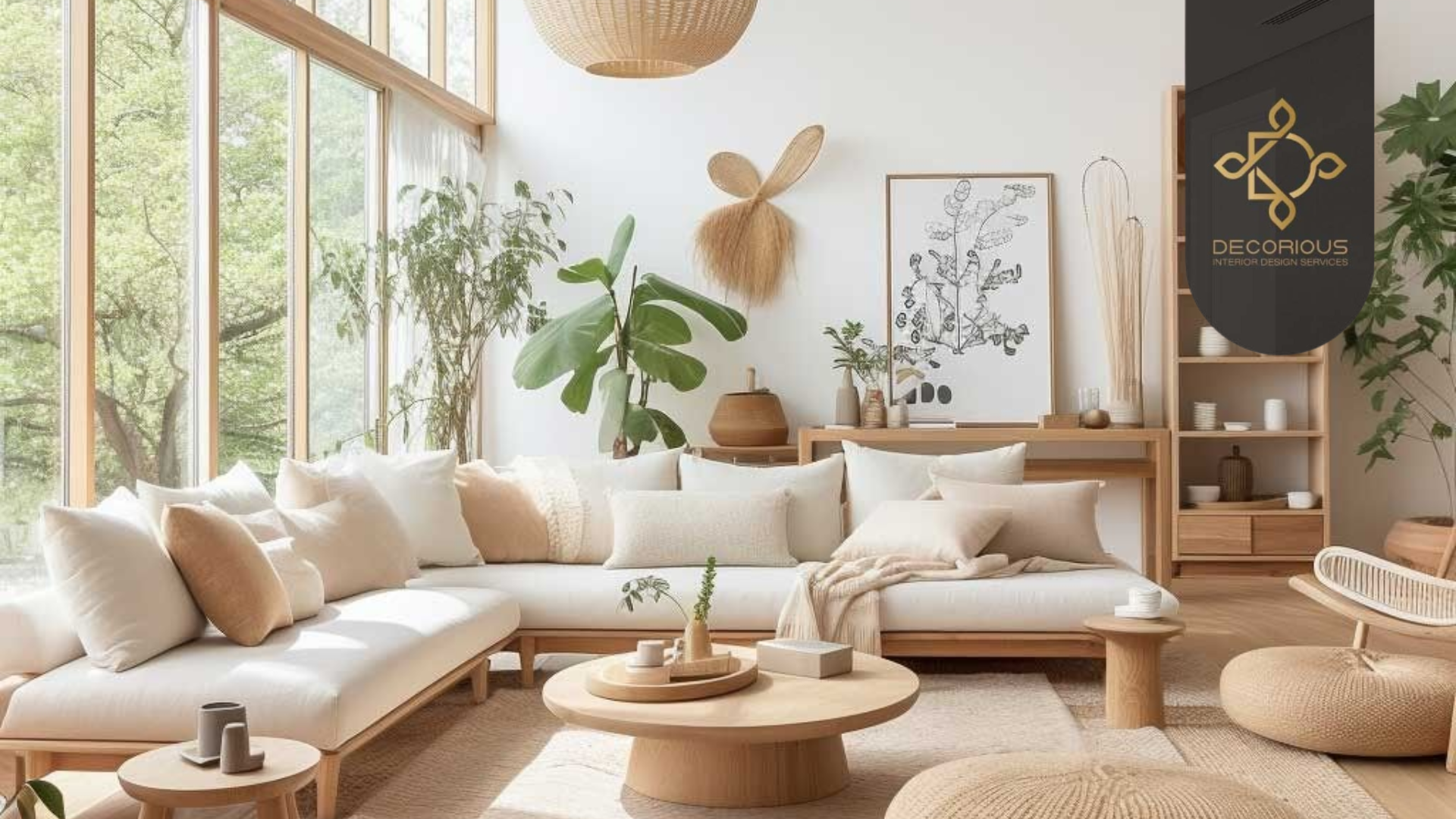
Replacing bulky furniture with streamlined pieces inspired by small apartment living room ideas.
Adding layered lighting to soften the space.
This approach works especially well for low budget small house interior design projects.
Flat interior design relies on simplicity, proportion, and efficient space usage.
Key principles include:
Visual balance across rooms
Functional zoning in compact layouts
Consistent materials and finishes
These principles apply equally to small house interior design and studio-style flats.
Design rules provide structure and prevent common layout and proportion mistakes in flats.
They include balance, harmony, rhythm, contrast, emphasis, scale, and unity—essential for cohesive flat interiors.
Space, line, form, light, color, texture, and pattern form the foundation of any flat interior design strategy.
Function should always come before decoration—especially in compact flats.
Using correct visual ratios helps small flats feel more proportionate and comfortable.
Furniture or décor should occupy two-thirds of a visual surface to maintain balance without overcrowding.
Color and lighting define how spacious and comfortable a flat feels.
Soft neutrals, warm whites, and muted earth tones work best for beautiful interior design for small house layouts.
Base your palette on natural light availability, room size, and furniture tones.
A mix of ambient, task, and accent lighting ensures flexibility across different daily uses.
Each room in a flat has unique functional and spatial requirements.
Use modular seating
Keep focal points simple
Apply modern small apartment design plan concepts
Focus on storage-integrated beds, calming colors, and minimal décor.
Efficient layouts, vertical storage, and easy-to-clean materials are essential.
Compact dining tables or extendable designs suit most flats.
Use reflective surfaces, wall-mounted storage, and clear zoning.
Smart space planning maximizes comfort without increasing square footage.
Multi-functional furniture is critical in studio room interior design and small flats.
Built-in cabinetry, under-bed storage, and vertical shelving work best.
Luxury in flat interiors comes from refinement, not excess.
Limit materials to two or three finishes
Use statement lighting
Apply symmetry in layout
Select fewer, high-impact décor pieces inspired by flat interior design ideas.
UAE flats favor clean lines, neutral palettes, and adaptable layouts.
Open-plan living
Sustainable materials
Flexible layouts influenced by studio flat interior design
These trends are frequently analyzed in insights published by Decorious.
Flat design follows a structured process from planning to execution.
Steps:
Measure and analyze space
Define zones
Select furniture
Finalize lighting and finishes
A 2BHK design includes two bedrooms, a living area, kitchen, and bathrooms with unified styling.
Layouts often resemble 3 room flat interior design ideas adapted for privacy and storage.
The best flat interior design reflects lifestyle needs, not trends alone.
Whether designing a studio or family flat, clarity in planning ensures long-term comfort.
Professional guidance helps avoid costly mistakes and improves long-term value.
Design insights and case studies shared by Decorious demonstrate how thoughtful planning elevates everyday living in UAE flats.
Modern and contemporary styles work best due to their simplicity and flexibility.
Neutral bases with subtle accent colors create visual openness.
Use light colors, mirrors, and minimal furniture.
Yes, through material selection, lighting, and layout precision.
Multi-functional, compact furniture designed for small spaces.